Strata water ingress insurance claims Sydney property managers submit face swift rejection when building assessors trace internal damage back to uncleaned gutters, choked downpipes, or neglected roof valleys. Under Australian insurance law, strata policies protect against sudden, accidental storm loss rather than deferred building upkeep. When storm runoff enters common property because of blocked drainage channels, the owners corporation must fund internal repairs out of pocket. Maintaining an unbroken, documented maintenance log remains the only definitive way to safeguard your scheme’s sinking fund against costly claim denials.
Key Takeaways
- Maintenance Neglect Triggers Claim Denials: Insurers across New South Wales enforce strict exclusion clauses that reject water ingress claims when downpipes, valleys, or gutters are blocked by accumulated silt and vegetation.
- Statutory Duty Under Section 106: The Strata Schemes Management Act 2015 (NSW) mandates that the owners corporation must strictly maintain common property, rendering committees financially liable when maintenance is deferred.
- Photographic Evidence Protects Sinking Funds: Independent, time-stamped condition reports demonstrate active duty of care, preventing claims assessors from citing pre-existing wear and tear during storm events.
- Bi-Annual Maintenance Prevents Emergency Outlays: Implementing routine autumn and spring roof drainage clearances neutralises water damage risks before intense severe weather fronts hit the Sydney basin.
What Causes Insurers to Deny Strata Water Ingress Claims?
Insurers deny strata water ingress claims because building policies strictly exclude property loss caused by wear, tear, gradual deterioration, or a systemic failure to maintain common property drainage systems. When rainwater breaches a building envelope due to choked box gutters or obstructed downpipes, loss adjusters classify the incident as preventable maintenance neglect rather than sudden storm impact.
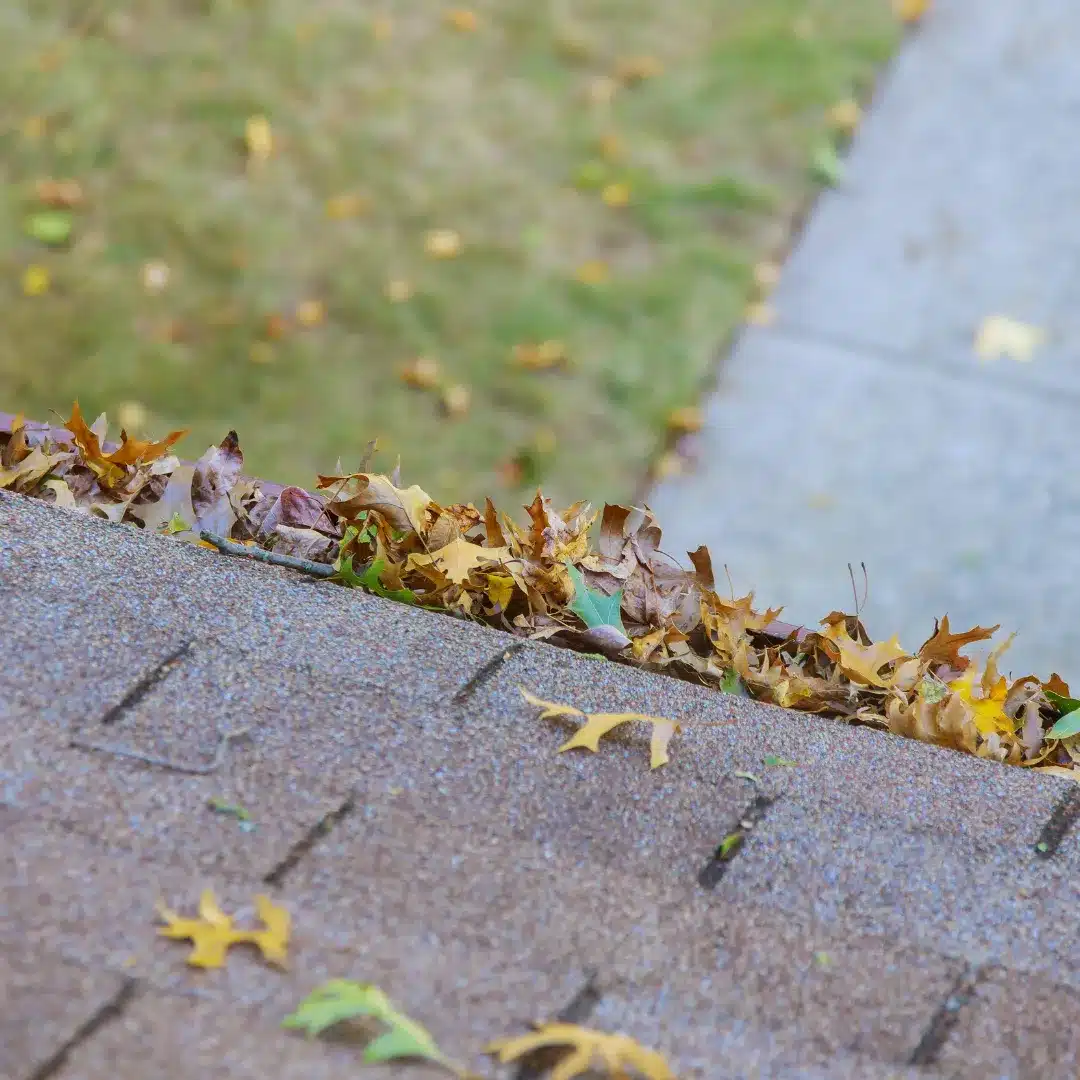
Under the Strata Schemes Management Act 2015 (NSW), the owners corporation holds an absolute statutory duty under Section 106 to properly service and maintain all common property. When an intense East Coast Low hits the Sydney basin, stormwater follows the path of least resistance. If box gutters are choked with leaf litter, bird droppings, or decaying organic silt, water quickly rises above internal flashing edges. This runoff then flows directly through ceiling plasterboard, down common-wall cavities, and into lift wells.
Insurance loss adjusters deployed across Sydney suburbs know precisely what to look for when evaluating an ingress claim. They access the roofline to inspect downpipe mouths, parapet flashings, and overflow scuppers. If they photograph silt deposits, rooted weed growth, or rusted gutter soles beneath ponding water, the claim is rejected at the initial assessment stage under policy exclusion terms.
Accidental Storm Damage vs. Gradual Maintenance Neglect
Insurance policies make an explicit distinction between sudden structural damage caused by severe weather anomalies and gradual water ingress resulting from systemic inaction. Proving this distinction requires objective, time-stamped site evidence.
| Diagnostic Assessment Factor | Approved Claim: Sudden Storm Damage | Rejected Claim: Gradual Maintenance Neglect |
| Primary Physical Trigger | Gale-force winds detach flashings, or direct hail impact shatters roof tiles and sheets. | Unimpeded rainwater backs up behind organic dams and breaches internal flashing lips. |
| Operational State of Gutters | Drainage troughs are clear of silt; downpipes and overflow relief sumps discharge freely. | Sumps, downpipes, and mesh guards are clogged with soil, decomposed leaves, or bird nests. |
| Structural Metal Condition | Sound metal profiles without deep oxidation; fasteners, clips, and brackets securely anchored. | Advanced rust perforation on gutter soles, split solder seams, and long-term bracket sag. |
| Documented Maintenance History | Current contractor service logs proving comprehensive clearing within the preceding 6 months. | Total absence of contractor service invoices, logs, or roof inspection records for 12+ months. |
When high winds dislodge tree limbs or crack tiles across suburban complexes, clean drainage channels demonstrate that the building envelope was structurally sound before the storm. The insurer cannot cite stagnant silt as a contributing factor, forcing them to process the claim under accidental damage provisions.
Why a Written Roof Condition Report Protects Your Sinking Fund
Securing an independent roof condition report Sydney strata managers can immediately present to claims adjusters is the most effective safeguard against rejected insurance claims. A simple post-service invoice stating “cleared gutters” does not satisfy forensic insurance assessors.
A comprehensive roof condition report must deliver actionable technical validation across several areas:
- Time-Stamped Photographic Verification: High-resolution before-and-after photographs documenting every cleared gutter section, valley iron, and downpipe opening.
- Component-Level Health Audits: Clear assessments of sheet lap joints, valley iron degradation, cracked ridge capping, and localized rust pockets.
- Overflow Risk Warnings: Identification of non-compliant structural overflow points or sagging gutter brackets that create permanent pooling zones.
- SafeWork NSW Compliance Documentation: Proof that access conformed to Work Health and Safety regulations, including certified anchor point inspections and height-access sign-offs.
When an owners corporation files this complete record following severe weather, it eliminates ambiguity. The claims adjuster cannot declare that water ingress was the direct result of pre-existing building neglect.
Developing an Annual Strata Roof Maintenance Schedule
Reactive maintenance guarantees higher lifecycle costs and increases the likelihood of NCAT disputes with affected lot owners. Sydney strata schemes must implement a proactive maintenance cycle to preserve structural integrity, satisfy strata committees, and maintain insurance validity.
1. Autumn Clearance Phase (May – June)
Across Sydney’s leafy corridors—including the Upper North Shore, Inner West, and Sutherland Shire—deciduous trees drop significant organic matter into roof valleys as temperatures drop. Scheduling a comprehensive commercial vacuum clearance at the end of autumn extracts dry matter before heavy winter rain fronts arrive, preventing acidic decay that oxidises gutter troughs.
2. Spring Storm Preparedness (October – November)
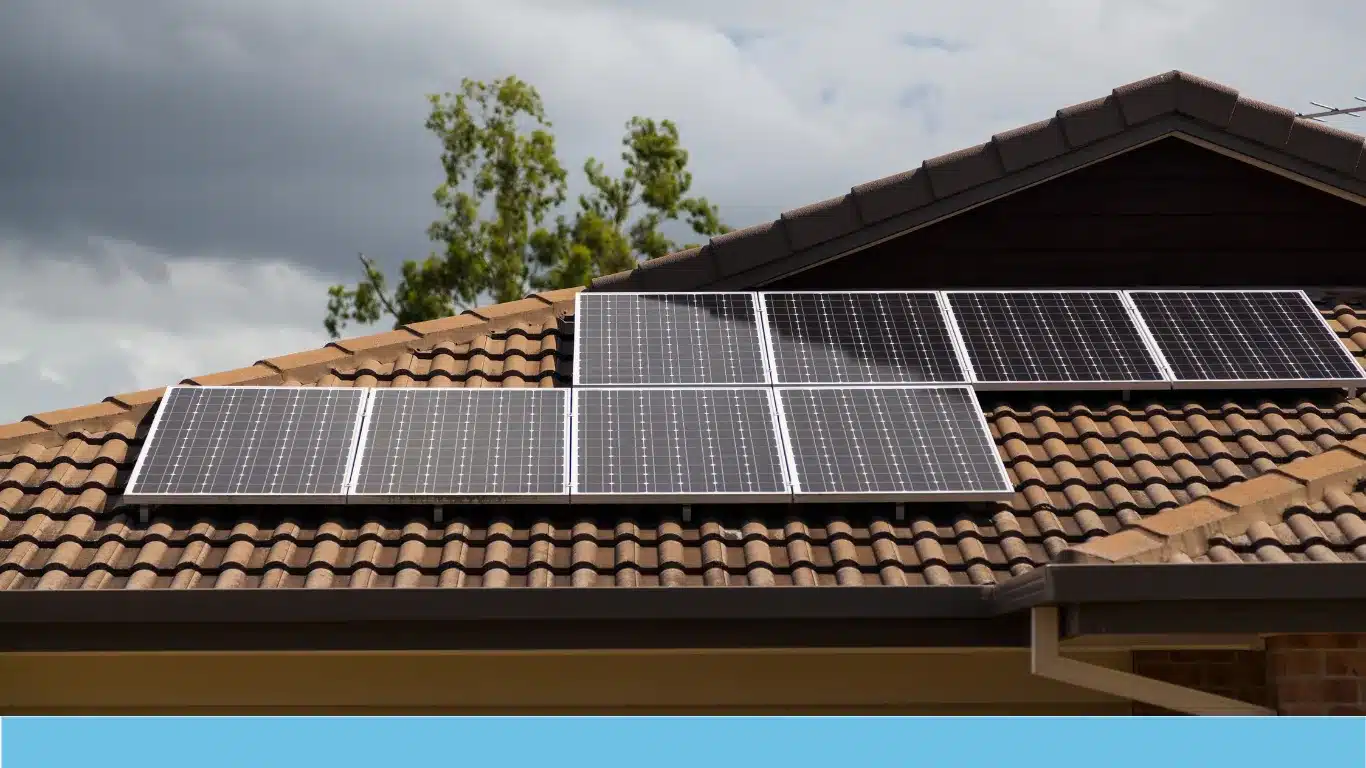
Spring marks the start of bird breeding seasons and severe convective summer storm cycles. Pigeons, starlings, and Indian mynas frequently build thick nests in sheltered eaves, box gutters, and beneath solar arrays. A thorough spring clearance eliminates nesting debris, tests downpipe flow capacities, and ensures all overflow sumps remain completely unobstructed before the summer wet season.
Eliminating Committee Liability with WHS-Compliant Trades
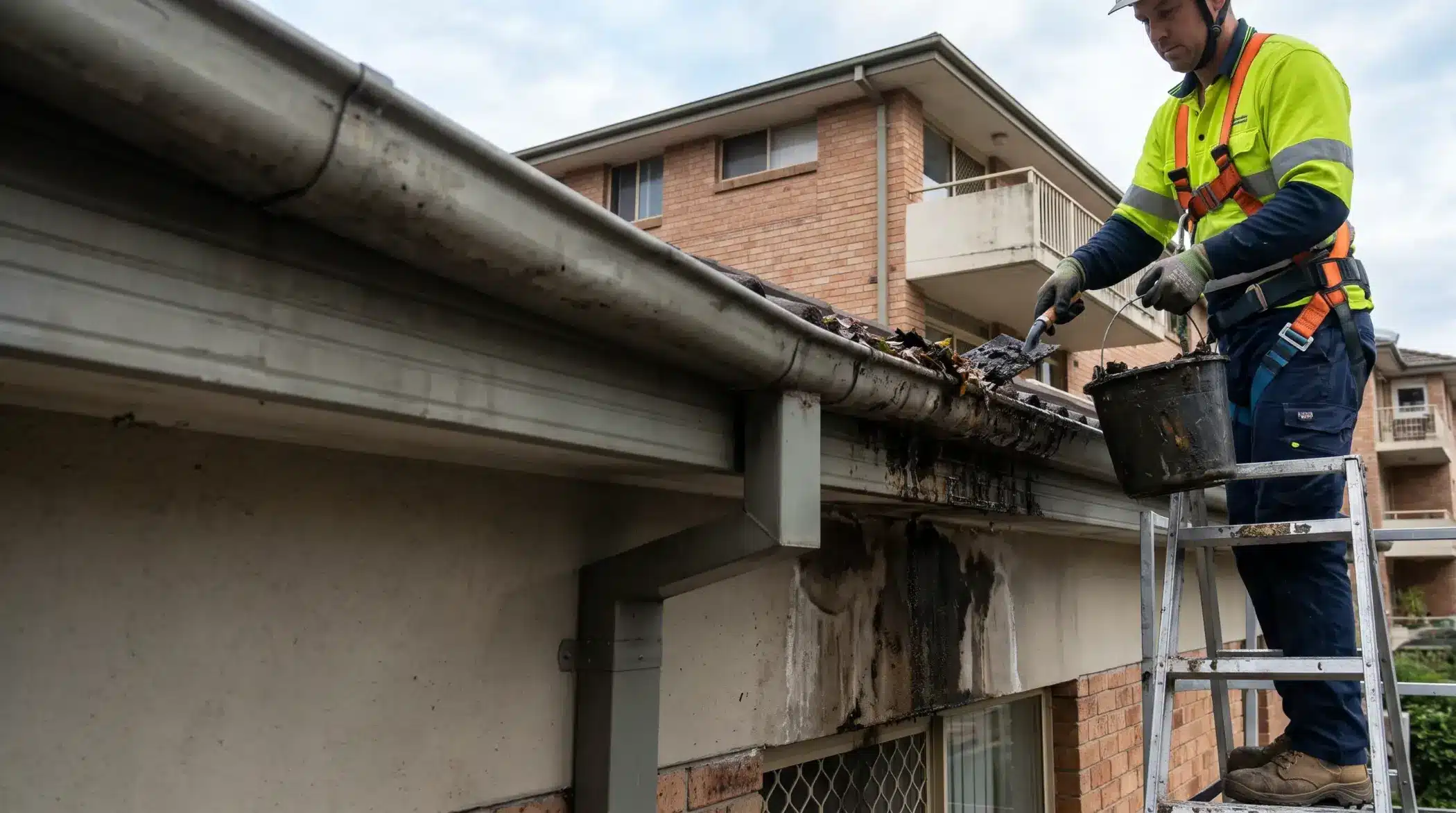
Strata committee members hold a legal duty of care to protect the safety of anyone carrying out maintenance work on common property. Engaging casual handymen or uninsured contractors to cut costs exposes the committee to significant regulatory fines under SafeWork NSW height-safety mandates.
If an uninsured contractor falls from an unanchored ladder or slips from a multi-storey parapet, liability issues can quickly complicate common property insurance coverage. To maintain compliance, strata schemes must ensure their roofing contractor provides:
- Current Workers Compensation Coverage: Mandatory protection for all attending personnel.
- $20 Million Public Liability Insurance: Shielding the strata scheme from property damage or contractor accidents.
- RIIWHS204E Working at Heights Certification: Fully documented safety accreditation for every operating technician.
- Site-Specific Safe Work Method Statements (SWMS): Detailed operational risk controls tailored to your property’s roof configuration, anchor points, and parapet access.
Executing an ongoing maintenance contract with fully credentialed height-safety specialists protects your building’s drainage integrity, keeps your sinking fund intact, and ensures your property is fully protected against costly water damage disputes.
Secure Your Building’s Insurance Compliance Today
Do not wait for an East Coast Low to expose unmaintained roof channels and risk an expensive insurance dispute. Sydney Gutter Clear delivers fully insured, WHS-certified strata gutter clearing and detailed photographic condition reports across Greater Sydney.
Protect your scheme’s sinking fund before the next storm front:
- Phone: Call our commercial team directly on 0490 218 310 for rapid-response bookings.
- Online Booking: Request a Free, Itemised Strata Estimate via our online booking form.
- Compliance Inquiries: Email your building’s work order specifications to info@sydneygutterclear.com.au for fast turnaround on tender schedules.
Frequently Asked Questions
Can an owners corporation be held liable for internal tenant damage caused by roof leaks?
Yes, under Section 106 of the Strata Schemes Management Act 2015 (NSW), lot owners can take legal action through NCAT to recover financial losses if common property gutters were not properly maintained. Documented preventative service logs establish the legal defence required to demonstrate that the strata scheme fulfilled its statutory duty of care.
How often do Sydney strata buildings require professional gutter maintenance?
Most residential and commercial strata complexes across Sydney require professional clearing at least twice a year to maintain compliance with building insurance policies. Properties surrounded by dense gum trees, or buildings equipped with internal box gutters, often require quarterly maintenance schedules to prevent storm-driven overflows.
What evidence must a strata committee provide to overturn a rejected water leak claim?
A strata committee must present date-stamped photographic evidence taken before and after recent gutter clearances, alongside a comprehensive contractor roof condition report confirming that downpipes and roof valleys were fully functional prior to the storm. This documentation confirms that water ingress was caused by sudden storm damage rather than unaddressed building neglect.